In today’s fast-paced, info-packed world, simplicity is gold. Whether you're in a physical store or browsing online, finding clear, concise product information fast can make or break a shopping experience. Enter QR codes—specifically, QRSpider-powered QR codes, which make sharing product details with your customers effortless and instant. For shop owners and online sellers, using QR codes for product introductions isn’t just convenient; it’s a smart way to keep shoppers engaged and informed with just a quick scan.
Why Use QR Codes for Product Details?
Imagine this: a customer walks into your shop, glances at a product, and immediately wants to know more—specs, features, maybe even a video demonstration. Instead of bombarding them with brochures or spending hours answering the same questions, you can simply offer a QR code that links to everything they need. This not only saves you and your staff time but also makes the shopping experience smoother and more modern for customers.
The magic of QR codes lies in how they bridge the physical and digital worlds. For store owners, it’s a super-efficient way to display product info without needing excessive signage or printed materials. For online sellers, it’s a tool to make virtual browsing more interactive—customers can scan a code from a flyer, ad, or even your website to get to a full suite of product information.
Creating Your Product QR Codes with QRSpider
So, how exactly does one go about creating these handy product QR codes? QRSpider makes it easy, quick, and fully customizable. Here’s a step-by-step guide to get you started:
-
1)Gather Your Product Info: Decide on the content you want to share—images, product descriptions, specifications, maybe even reviews or a video demo. You can pull from existing resources like your product catalog or create something new just for this purpose.
-
2)Log in to QRSpider: Head over to the QRSpider platform, where you’ll see various options for QR code types. Choose the one for product information, which allows for multimedia content.
-
3)Upload Your Content: QRSpider supports various formats, so you can upload images, detailed specs, even links to videos or PDFs. Want to keep it simple? Just add text descriptions or key highlights of your product. You have the flexibility to adjust this based on what’s most important to your customers.
-
4)Customize Your Code: Here’s where QRSpider lets you get creative. Customize the color, shape, and style of your QR code to match your branding. If you’re a minimalist brand, you can keep it sleek and simple; if you want something eye-catching, add your logo or a splash of color to stand out.
-
5)Generate and Share: Once you’re happy with the design, generate the QR code. You’ll receive a digital file ready to be printed on tags, signage, or shared on digital platforms. Place it on product packaging, social media ads, or even in-store displays for maximum reach.
How QR Codes Are Changing Product Marketing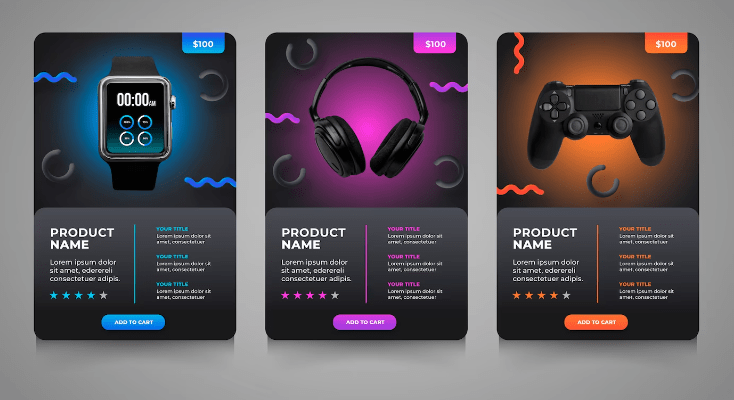
QR codes are not just a cool tech feature; they’re genuinely transforming the way retailers connect with customers. For product introductions, they offer several unique advantages:
-
1)Instant Information: Customers today expect instant access to details without needing to hunt around. A QR code gives them exactly that—a quick scan, and they have all the details at their fingertips.
-
2)Reducing Clutter: If you’re a store owner, you know that signage can get overwhelming and even chaotic. QR codes allow you to cut down on physical clutter by housing all product information digitally. This gives your shop a clean, modern aesthetic.
-
3)Detailed Product Insights: From high-quality images to full tech specs, a QR code can offer far more information than what you can fit on a standard label or shelf tag. This is especially useful for complex products like electronics, where customers appreciate having the extra information.
-
4)Interactive Shopping Experience: For online stores, adding QR codes to printed ads or promotional materials can make browsing feel interactive and engaging. Shoppers can scan a code in a catalog or magazine ad and instantly view that item on your site—no typing required.
-
5)Eco-Friendly Marketing: With QR codes, there’s no need to print tons of flyers or brochures, making it an eco-friendlier option. Many customers today value sustainable choices, and opting for digital information sharing can boost your brand’s appeal.
Real-Life Use Cases for Product QR Codes
So, what does this look like in real life? Here are a few examples of how QR codes are already transforming retail experiences:
-
1)In-Store Displays: Picture a display of gadgets, each with a unique QR code. Customers can scan to learn about product features, check compatibility, and even watch a quick demo video. It’s a hassle-free way to offer complete product transparency.
-
2)Product Packaging: If you sell packaged goods, adding a QR code to your packaging lets customers access the full story behind the product—how it’s made, ingredients or materials used, or instructions for use.
-
3)Promotional Materials: Have an ad campaign going on for a new product? Include a QR code on any print or digital advertisements, so customers who are interested can instantly access all the product’s details online.
-
4)Event Booths: If you attend trade shows or product fairs, QR codes can be a great way to share product catalogs without printing tons of brochures. Attendees can scan and browse on their phones, making it both convenient and sustainable.
Making QR Codes a Key Part of Your Marketing Strategy
In the end, QR codes offer a fast, engaging, and cost-effective way to make product information accessible to customers. With QRSpider, you don’t need any technical know-how to create beautiful, branded QR codes that make shopping a breeze. You’ll be able to give your customers everything they want to know in an instant, keeping them informed and boosting their confidence in your product.
If you’re ready to modernize your approach to product marketing, give QR codes a try with QRSpider. In today’s digital-first world, this small but powerful tool can make a big difference in how customers interact with and remember your brand.