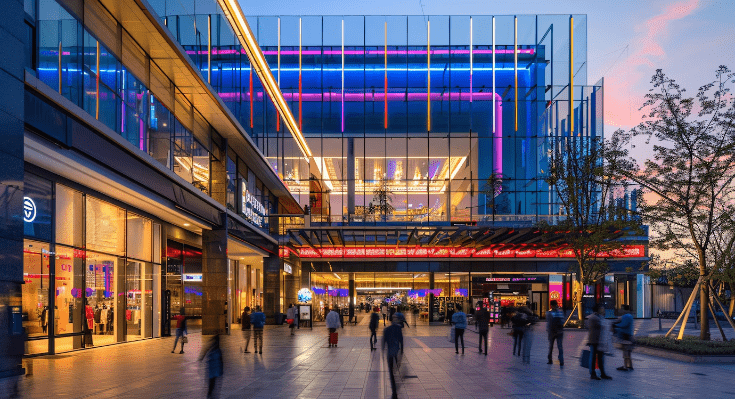
If you’ve ever been wandering through a mall, only to wonder when a certain store opens or closes, you’re not alone. As convenient as modern shopping centers are, getting accurate, up-to-date information about individual stores can sometimes feel like a chore. But what if there was a way to access everything you need—store details, opening hours, special promotions—with just one quick scan? That’s where QR codes come in, and with QRSpider, creating and using these codes is as easy as pie.
Why Malls Should Embrace QR Codes
Think about the traditional way businesses post their hours and store details. It’s usually a sign near the entrance or maybe a pamphlet you pick up from a desk. Not only can this information get outdated fast, but it’s also often ignored by busy shoppers. By using a QR code, malls can make this information instantly accessible with a quick scan, saving everyone time and effort.
And it’s not just about the convenience for shoppers—QR codes can help businesses inside malls better manage their information, too. Instead of constantly updating physical signs or answering the same questions over and over, stores can update their information in real time through their QRSpider-generated code. This means if there’s a sudden change in hours, a special event, or a sale, customers can be in the loop instantly.
QRSpider: Your Tool for Effortless QR Code Creation
Creating a QR code might sound complicated, but with QRSpider, it’s a breeze. Whether you’re a large shopping mall with dozens of stores or a cozy street shop looking to share your business hours, the process is the same—simple and efficient.
Here’s how you can create a QR code for your mall using QRSpider:
-
1)Gather Your Information: Start by collecting the essential details about your mall or store. This could include the store name, business hours, location within the mall, and any special events or promotions.
-
2)Go to QRSpider: Head to the QRSpider platform and select the option to create a business QR code.
-
3)Input Your Details: Once you’re there, input all the necessary information. You can include as much or as little as you like—QRSpider allows for a variety of content types, whether it’s just basic info or something more elaborate like a promotional video or store catalog.
-
4)Customize Your Code: QRSpider lets you add your brand’s personal touch. Customize the colors and layout of the QR code to match your store’s branding, and even insert your logo for a professional finish.
-
5)Generate & Share: With the click of a button, your custom QR code is generated and ready to use. You can print it on signs, add it to flyers, or even share it digitally through social media and your website.
Real-World Applications for QR Codes in Malls
The beauty of QR codes lies in their versatility, and malls are the perfect environment for taking full advantage of what QR codes have to offer. Here are a few ways malls and businesses can benefit:
-
1)Store Directory: A large mall can be overwhelming, especially when you’re trying to find a specific store. By placing QR codes at various points in the mall, visitors can instantly access a digital directory, complete with store locations, hours, and contact information. It’s faster and more user-friendly than hunting down a static mall map.
-
2)Business Hours and Promotions: Mall stores often have fluctuating hours, especially around holidays or during special events. A QR code at the entrance of each store allows customers to instantly check business hours and any ongoing promotions. No need to print and reprint signs every time there’s a change—just update the information linked to the code.
-
3)Mall Events: Hosting an event like a holiday market or summer festival? QR codes can provide all the event details in one place, from the schedule to participating vendors. Mall-goers can scan a code at the entrance or on promotional posters and have everything they need to enjoy the event at their fingertips.
-
4)Customer Feedback: Want to know how customers are enjoying their shopping experience? Place a QR code near exits that links directly to a feedback form. This makes it easy for customers to share their thoughts, and you’ll get valuable data on how to improve.
-
5)Street Shops: For smaller shops outside the main mall, QR codes can be equally useful. Street-side businesses can place QR codes on their storefronts to offer passersby access to their hours, special offers, and even online catalogs, giving them a modern edge and drawing in more customers.
Why QR Codes Are the Future of Retail
The convenience and efficiency that QR codes bring to retail are undeniable. For businesses in a competitive market, offering customers a faster, easier way to access information is a huge advantage. Plus, with the rise of touchless interactions post-pandemic, people are more comfortable than ever using QR codes in their day-to-day lives.
For malls, adopting QR codes means staying ahead of the curve. It’s about offering a seamless shopping experience, making information accessible at any time, and ultimately enhancing customer satisfaction. Shoppers will appreciate the ease of scanning a code and getting instant access to everything they need, while mall management can reduce their reliance on physical signage that’s costly to update.